Minnesota Vikings + RSI
Keeping Professional Football in Minnesota
Vikings Stadium Project

Background
The Metrodome opened in the early 1980s as home to the Minnesota Vikings, Minnesota Twins and University of Minnesota athletic teams. By the mid-1990s, all three tenants were seeking new facilities that met current market expectations for revenue and fan experience. The Twins and University of Minnesota ultimately secured public funding for new venues, leaving the Vikings as the final tenant to make their case for a public-private partnership to fund a new NFL stadium in Minnesota.

Challenge
The Vikings' proposal faced significant headwinds. A decade of rancorous public debate had preceded the 2006 approval of the Twins' stadium funding, leaving legislators wary of supporting yet another public funding package for professional sports. The scale of an NFL-quality facility required hundreds of millions of dollars more than the Twins' request, and a widespread public perception that the team's owners were wealthy enough to fund the stadium themselves — reinforced by comparisons to the Dallas Cowboys — colored the public perception of the proposal, making it seem like a "bailout for billionaires."
Beyond the funding debate, the broader stakes were poorly understood. The public, media and legislators needed to grasp that the Metrodome no longer met the needs of the team, fans or the NFL, and that without a viable stadium solution, the Vikings would be forced to consider relocating outside of Minnesota.

Our Role
Rapp Strategies served as part of the core strategy team for the Minnesota Vikings, developing the overarching external relations strategy and supporting its execution throughout the legislative process.
To reframe the public debate, we:
Conducted public opinion and message research: Conducted extensive scientific research to identify messaging that would shift the fundamental public question from whether billionaires deserved state support to whether legislators had a responsibility to keep the Vikings in Minnesota when the Metrodome lease expired.
Communicated with stakeholders: Helped the public, media and legislators understand that the Metrodome no longer met the needs of the team, fans or the NFL, and that the status quo put the franchise's future in Minnesota at risk.
Mobilized grassroots networks: Activated and expanded a base of more than two million Vikings fans, empowering them to communicate directly with legislators through the Vikings' grassroots networks and their own personal channels.
Counseled on communications: Advised the team on messaging strategy, content and tone throughout the campaign, helping the Vikings remain patient and focused on the Metrodome lease expiration as the key deadline rather than taking a confrontational posture, and ensuring that any public signals about potential relocation came from the NFL rather than team ownership.

Key outcomes included:
Governor Mark Dayton negotiated a funding package for a $1 billion stadium, with more than half paid by the Vikings
The Minnesota Legislature approved the funding package in 2012
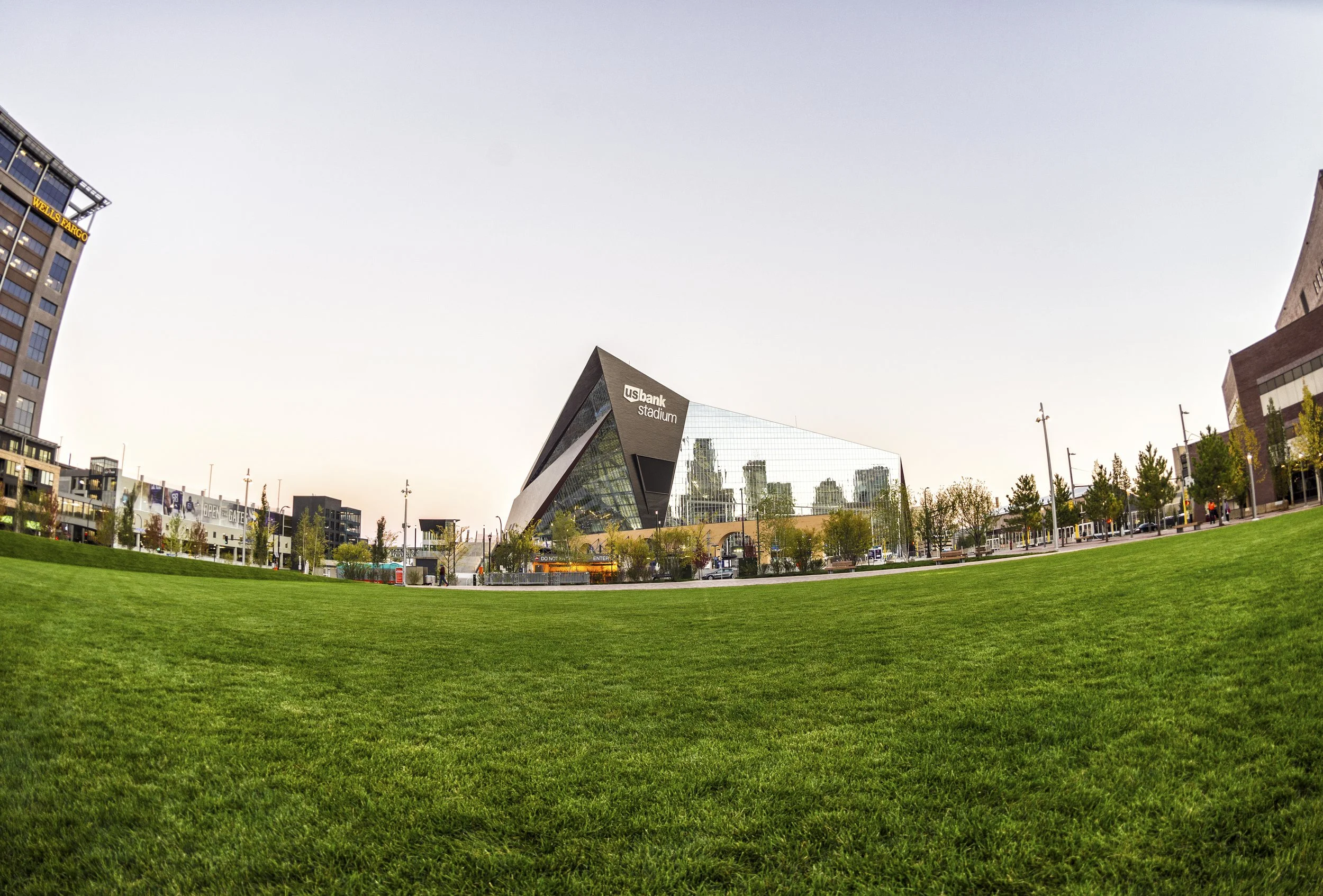
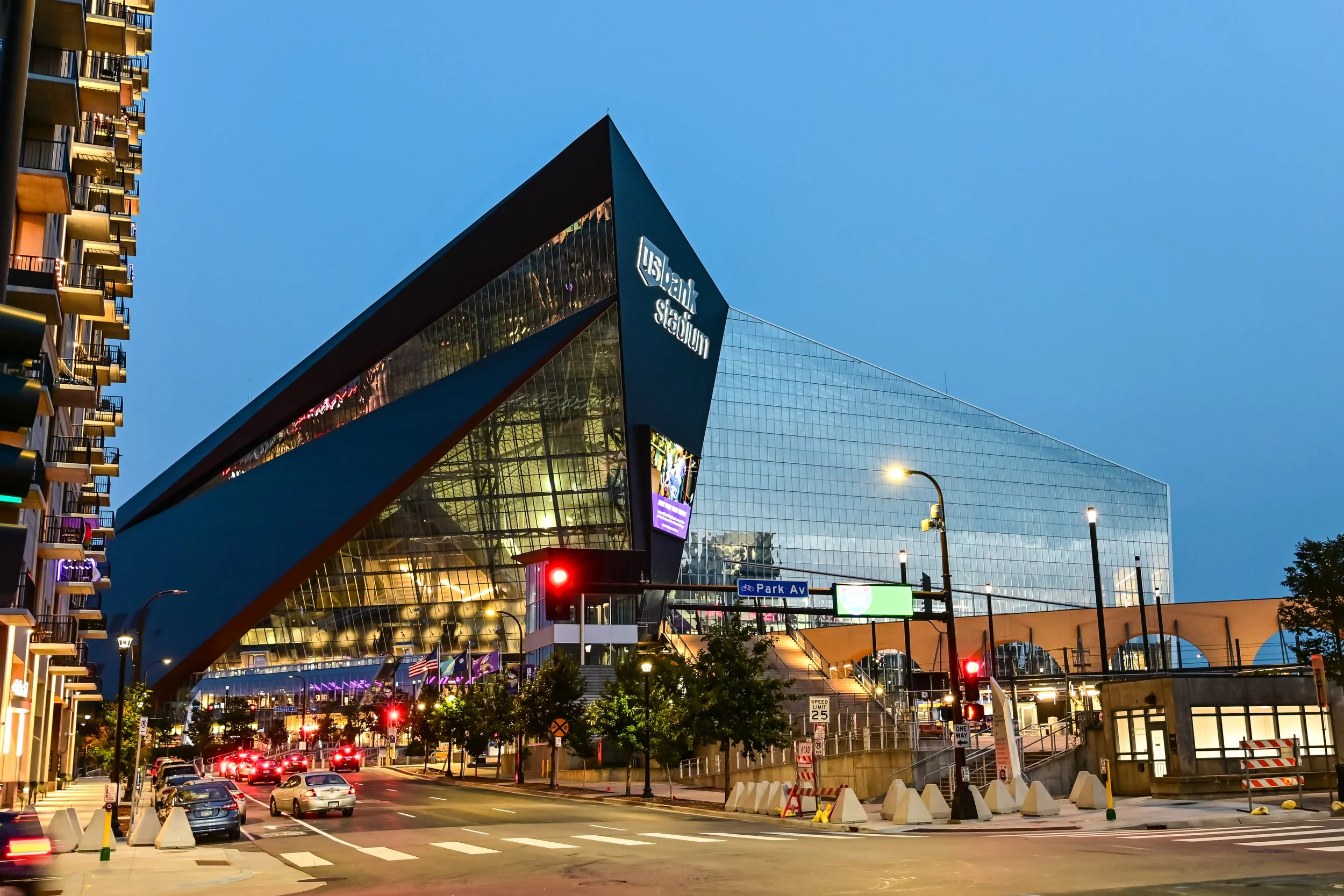
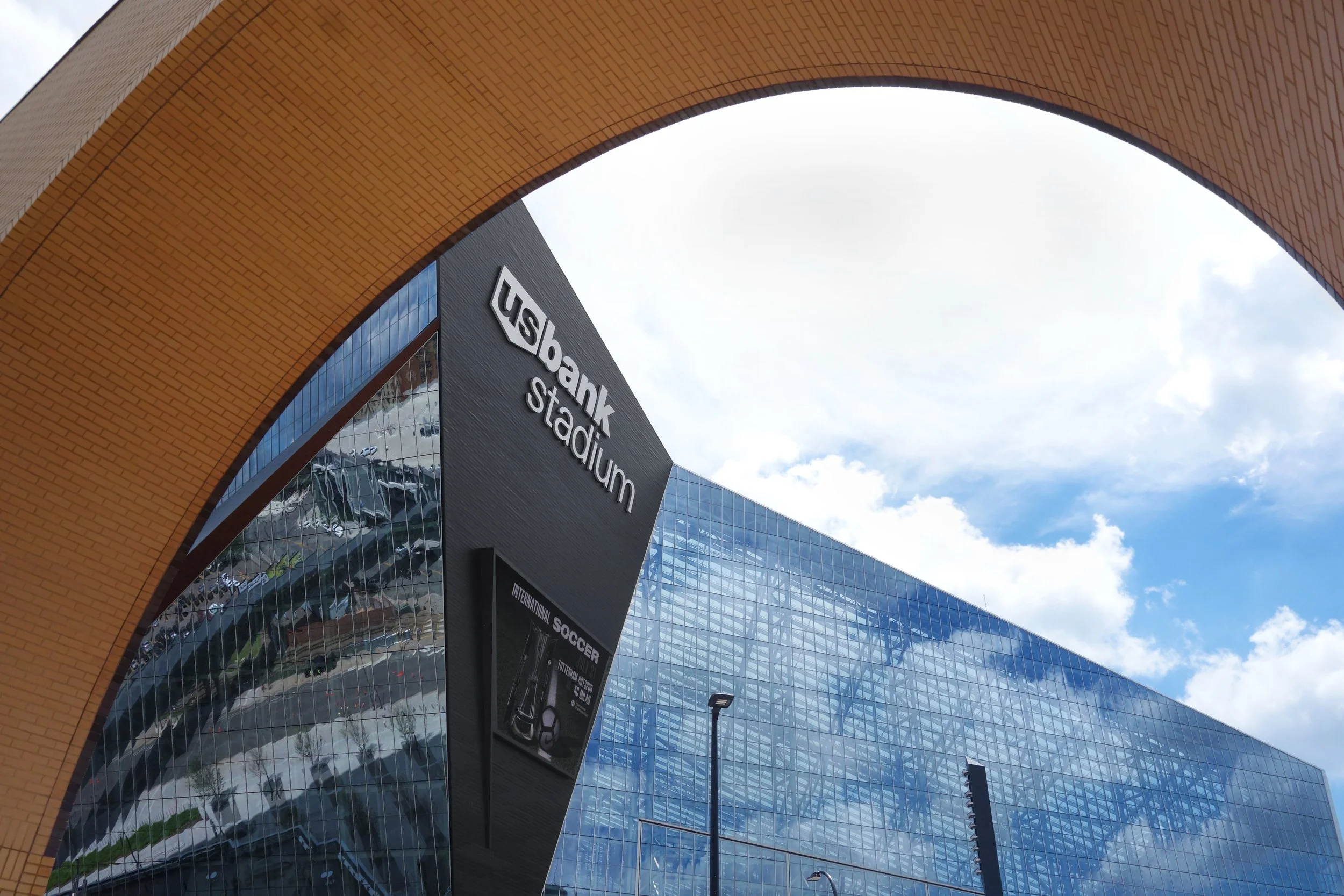
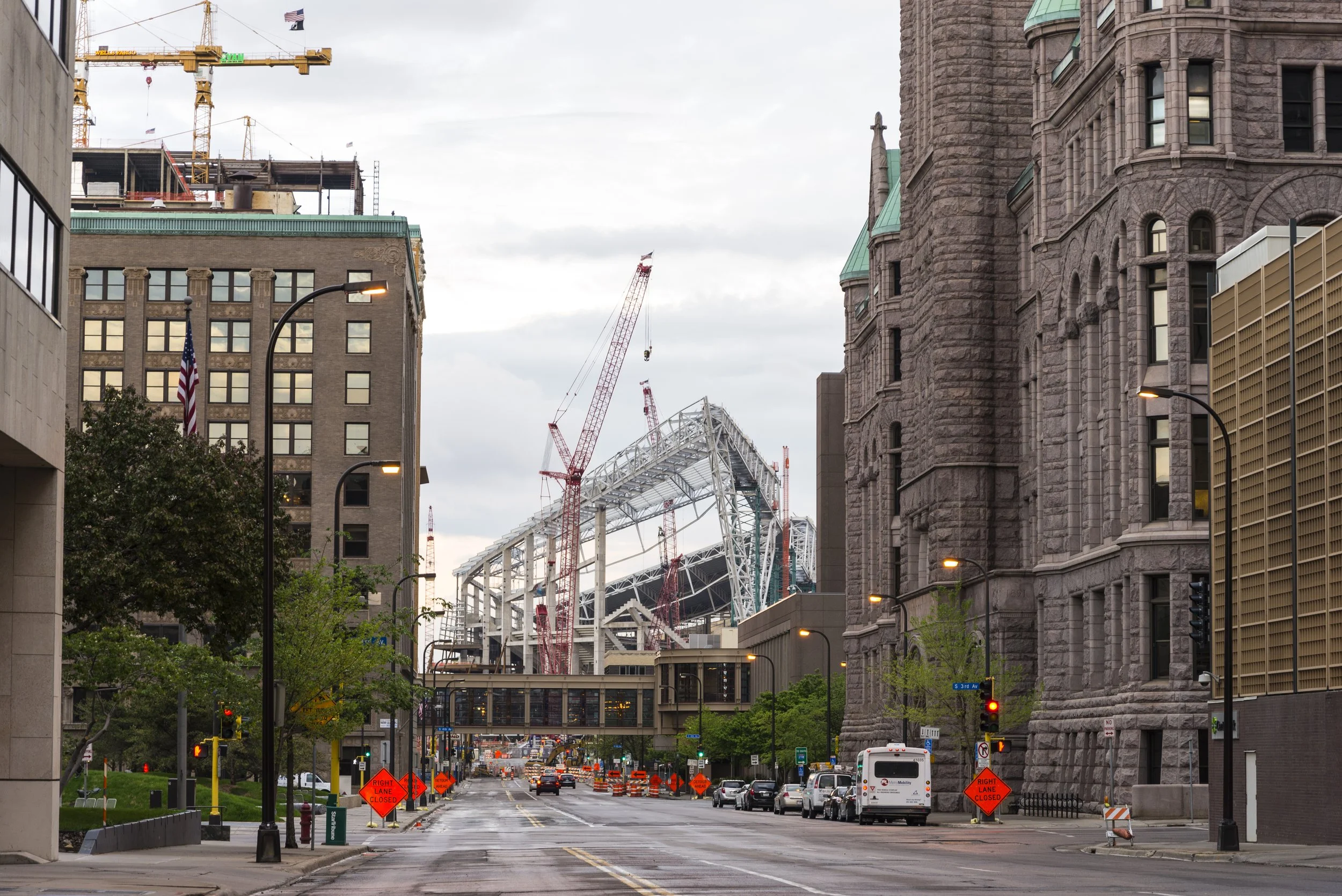
U.S. Bank Stadium opened in 2016 to widespread acclaim
The stadium has since hosted a Super Bowl and numerous other major events
The Vikings' credibility as genuinely committed to finding a Minnesota solution was preserved
Results
The strategy succeeded in shifting the political and public landscape, ultimately delivering a landmark funding agreement for a new NFL stadium in Minnesota.
The project stands as one of the most significant public-private partnerships in Minnesota history, demonstrating that complex, politically contentious infrastructure proposals can succeed with the right strategy, messaging and grassroots mobilization behind them.