

MnDOT + RSI
Bridging Communities through Transparent, Collaborative Engagement
St. Croix Crossing Project

Background
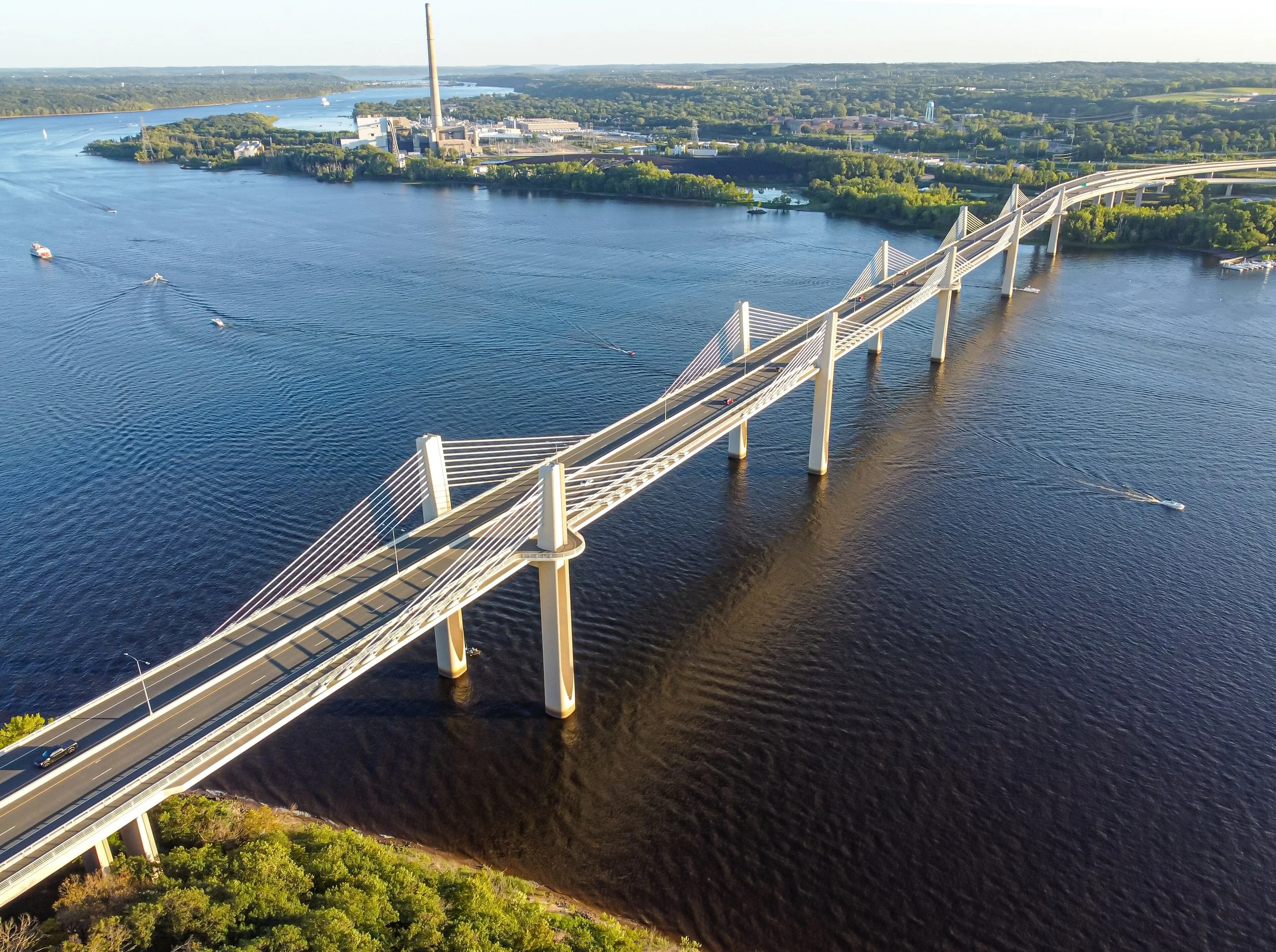
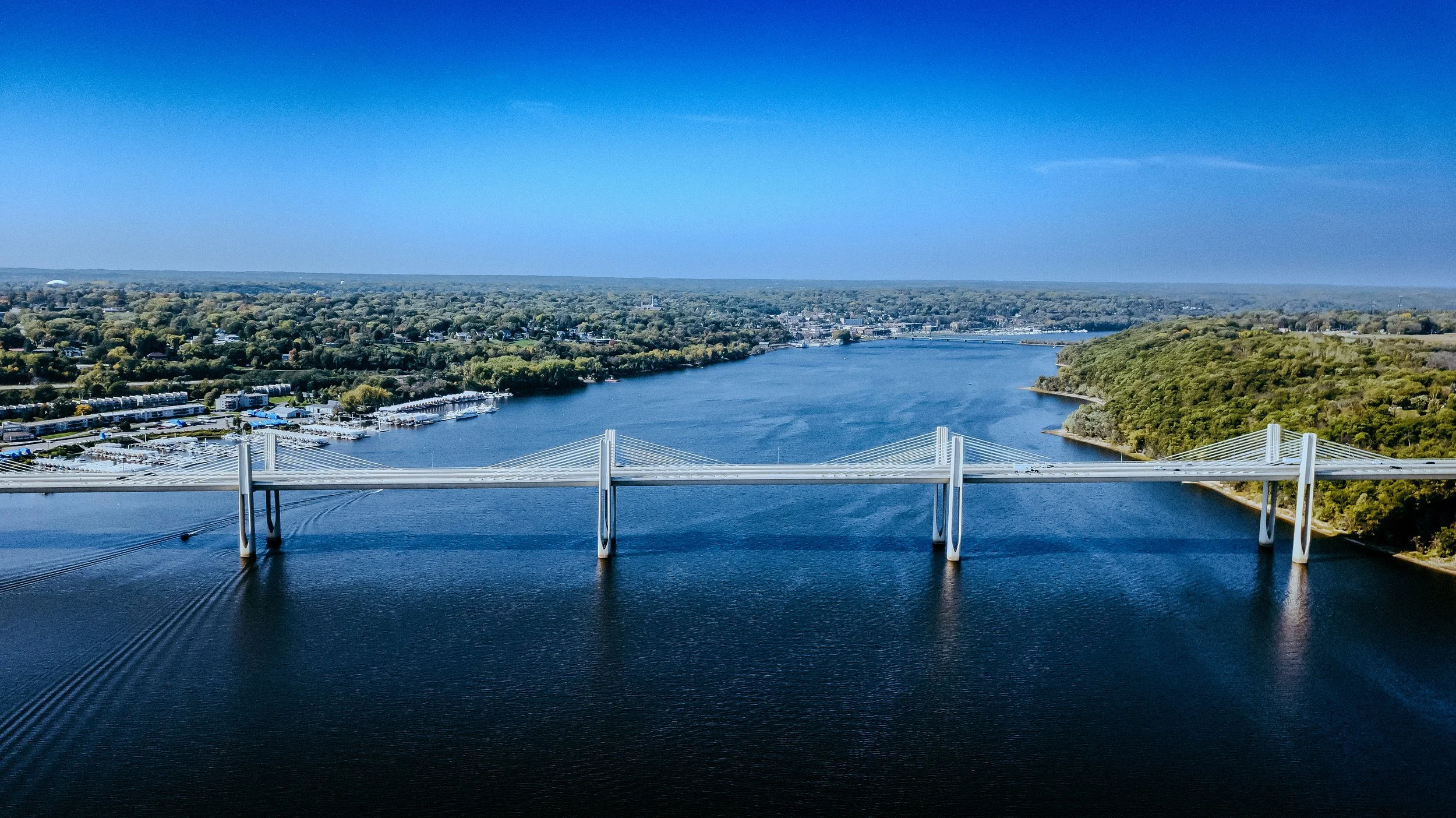
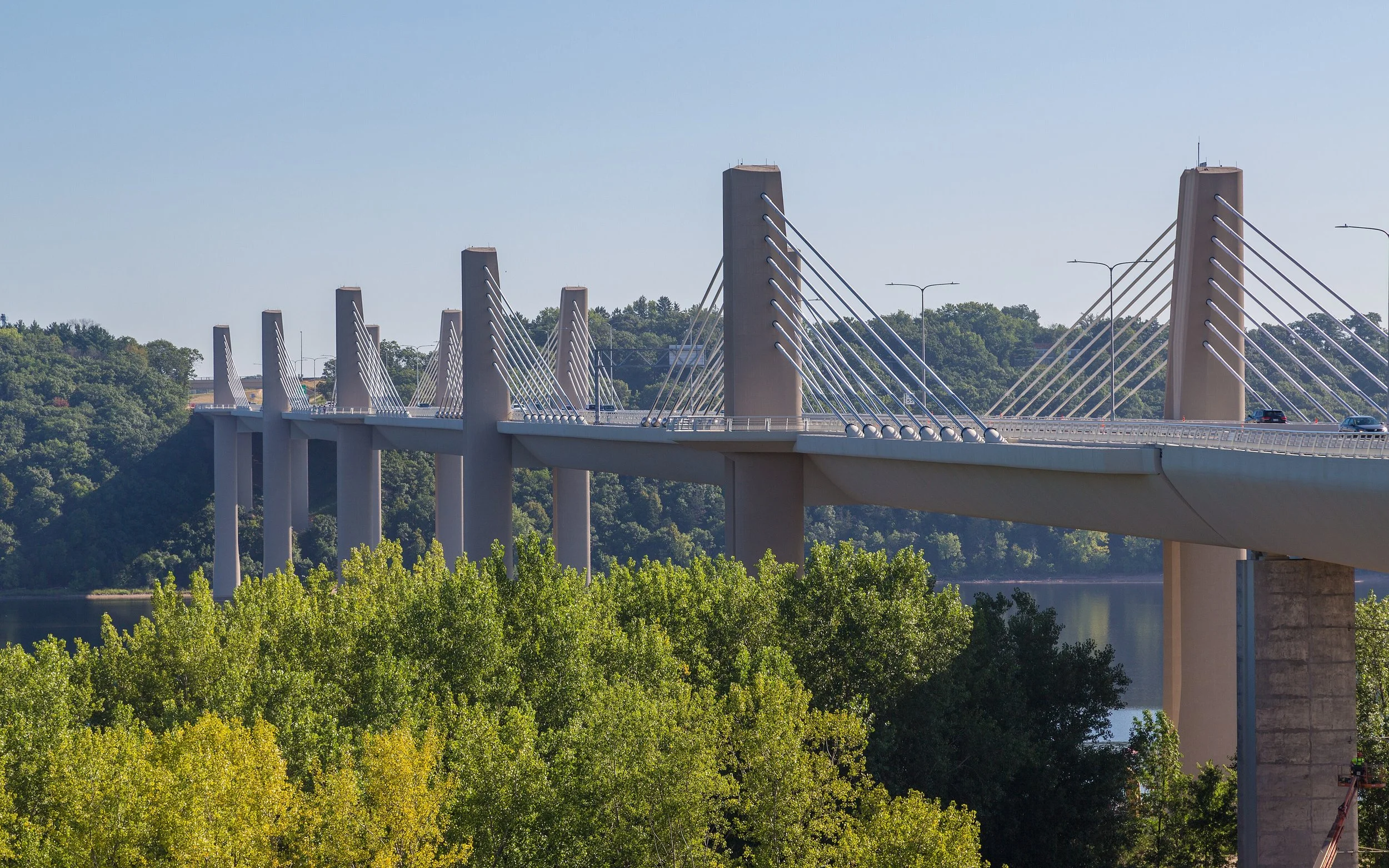
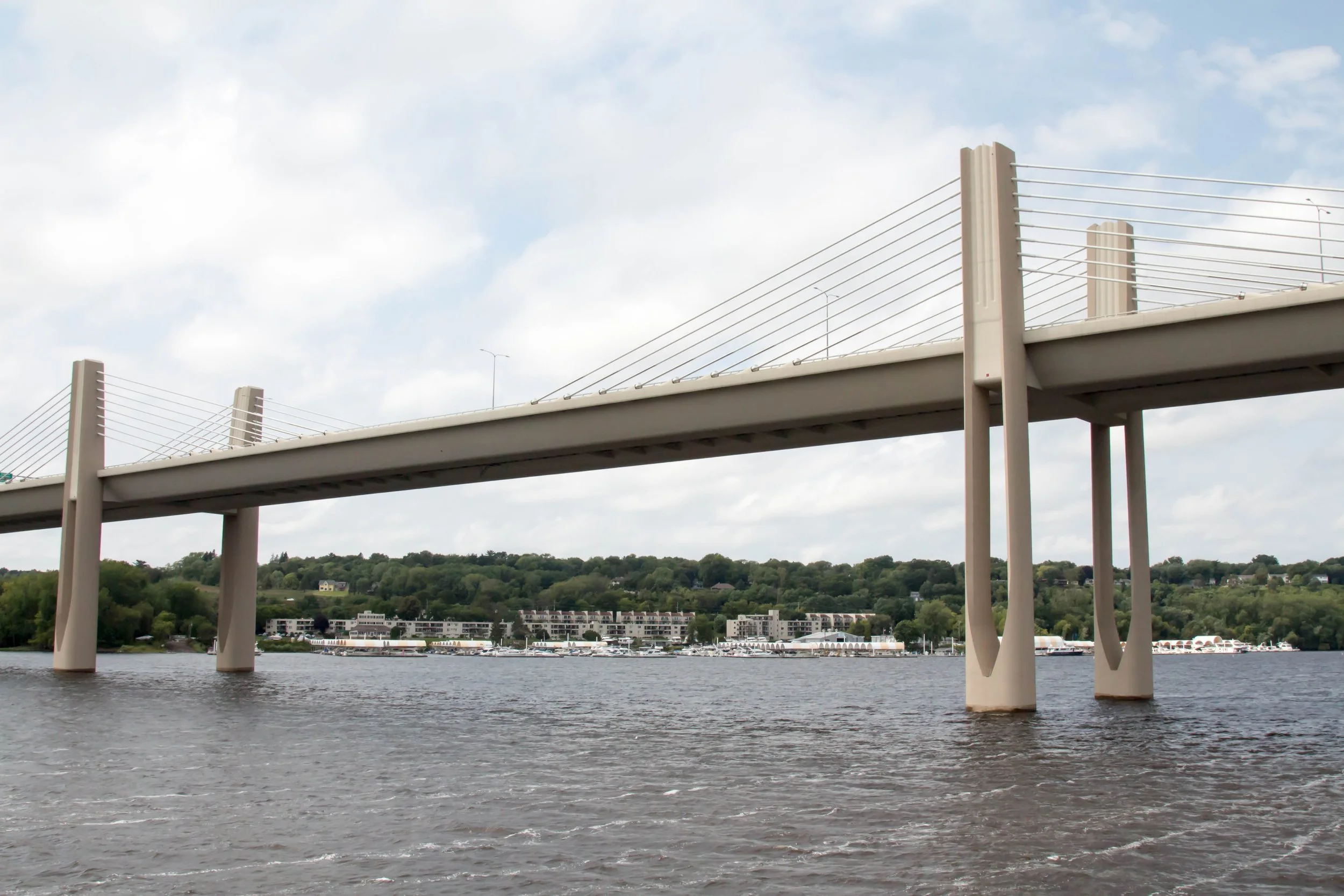
The St. Croix Crossing project replaced the landmark Stillwater Lift Bridge which connected Minnesota and Wisconsin along one of the region's most traveled and environmentally sensitive corridors. Led by MnDOT, the project spanned from 2013 to 2018 and required coordinated outreach across two states, multiple jurisdictions and a broad range of community stakeholders — from local homeowners and businesses to elected officials and national audiences. Running concurrent with the project was significant highway improvements along the Hwy. 36 corridor, adding complexity to an already large-scale undertaking.

Challenge
Replacing a bridge on a high-profile, multi-year corridor project means managing far more than construction — it means managing community trust. The St. Croix Crossing sat at the intersection of competing interests: local businesses facing significant disruption along the Hwy. 36 corridor, environmentally sensitive river geography governed in part by the federal Wild and Scenic River Act, and stakeholders from Minnesota, Wisconsin and federal agencies who expected to be heard throughout the process.
With local, statewide and national attention on the project, MnDOT needed a communications partner that could proactively manage public expectations, respond rapidly to inquiries and coordinate engagement across a highly diverse audience — all while keeping the project's reputation intact through years of active construction. Simultaneous highway improvements alongside the bridge replacement created a second, distinct set of communication demands, requiring Rapp Strategies to manage two parallel public narratives at once.

Our Role
Rapp Strategies developed and led a comprehensive public engagement strategy for the St. Croix Crossing project, serving as MnDOT's primary communications partner from project launch through bridge opening. Our work was designed to ensure every affected stakeholder — whether a downtown Stillwater business owner, an elected official or a recreational river user — felt informed, heard and respected throughout construction.
Reaching and engaging diverse audiences included:
Multi-jurisdictional outreach: Coordinated public engagement across Minnesota, Wisconsin and federal stakeholders, navigating the requirements of the Wild and Scenic River Act while tailoring communications to local, statewide and national audiences with distinct needs and interests
Business engagement: Met directly with businesses along the Hwy. 36 corridor to understand construction impacts and connect them with mitigation resources — including business boat tours and detour signage — making clear that while disruption could not be eliminated, it could be meaningfully mitigated and that every business would be heard
Visual and multilingual materials: Developed accessible collateral for use at community sites, tourist destinations and schools, ensuring broad reach across the region's diverse population
Public meetings and presentations: Facilitated open houses and coordinated community presentations, creating two-way dialogue rather than one-way information delivery
Spectator and river traffic management: One of the most distinctive challenges at St. Croix was managing the significant volume of community members who wanted to observe construction by boat on the St. Croix River, in addition to foot traffic along the riverbank. Rather than restricting access, Rapp Strategies worked directly with construction teams to develop proactive protocols that welcomed public interest, encouraged active learning and kept observers safe — turning a potential safety liability into a community engagement opportunity
To sustain engagement over five years, we led:
Dual-track communications: Managed separate but coordinated public narratives for both the bridge replacement and the concurrent Hwy. 36 improvements, ensuring neither effort created confusion or communication gaps for affected communities
Digital and social media strategy: Built and managed the project website and social media presence, providing real-time construction updates to a growing subscriber base
Media relations: Managed media inquiries from across the country, keeping coverage accurate and the project narrative on track
Rapid response: Established a same-day inquiry response standard, tracking all contacts to ensure accountability and build public trust

Results
The St. Croix Crossing project earned recognition as a model for transparent, community-centered infrastructure communications, with MnDOT receiving accolades for its public engagement approach throughout construction. Documented examples of stakeholder engagement, local business integration and proactive public outreach helped ensure the project's smooth and on-time delivery.
Key outcomes included:
Sustained active public engagement across two states and multiple federal stakeholders over five years of construction
Successfully navigated Wild and Scenic River Act, WisDOT and MnDOT communication requirements, maintaining public confidence in the project's environmental stewardship
Local businesses received direct support and mitigation resources, including business boat tours and detour signage, minimizing the economic impact of construction disruption along the Hwy. 36 corridor
Managed parallel communications for both the bridge replacement and concurrent highway improvements without creating public confusion
Safe spectator engagement protocols transformed high river and riverbank traffic into an active community learning experience rather than a safety liability
By the time the bridge opened, MnDOT had built the kind of community trust that is rare on large infrastructure projects. Stakeholders reported feeling heard, informed and connected — outcomes that reflected not just effective communications, but a genuine commitment to the communities on both sides of the St. Croix River.